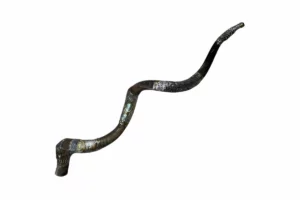
Shofar Buying Guide - Beginner vs Premium
Ultimate Shofar Buying Guide: Everything You Need to Know for a Perfect Choice
Ever wondered what makes a Shofar more than just a horn? Is it the sound, the material, or something more personal? If you’ve been on the hunt for the perfect Shofar, you’re in the right place!
Whether you’re looking to enhance your spiritual practices or add a touch of tradition to your home decor, this guide will help you choose the ideal Shofar for your needs. With years of experience and a deep passion for all things Shofar,
I’ll walk you through the essential factors that make a difference in your buying decision. Let’s dive in!
What Exactly Is a Shofar?
Before we get into the nitty-gritty of choosing the best Shofar for you, let’s get on the same page. A Shofar is a traditional Jewish horn, often made from a ram’s horn (though you might also see horns from other animals like kudu).
It’s most commonly used during Jewish holidays like Rosh Hashanah and Yom Kippur, but it can also make a great decorative piece or be used in other religious ceremonies.
Why is it so important? Well, the sound of the Shofar symbolizes a call to repentance and spiritual awakening. That’s why the right sound and material matter so much!
Types of Shofars: Which One Should You Choose?
So, you’re ready to buy your first Shofar, but where do you even start? Let’s break down the types so you know exactly what you’re dealing with.
1. Ram’s Horn Shofar
This is the classic choice, made from the horn of a ram. It’s known for its deeper, more resonant sound. If you want to go traditional, this is your go-to.
2. Kudu Horn Shofar
If you’re looking for something with a smoother, higher-pitched sound, a kudu horn might be your best bet. Kudu horns are longer, giving them a different tone altogether.
3. Yemenite Shofar
This one has a unique twist. It’s known for its more compact size and often features a more intricate design. Yemenite Shofars are made from the horn of a wild goat, giving them a distinct shape and sound.
4. Straight Shofar vs. Curved Shofar
Straight Shofars are perfect if you’re all about simplicity, while the curved ones offer a more intricate look and typically a more mellow sound. The choice is yours!
What to Look for When Buying a Shofar
Now that we’ve covered the types, let’s talk about the key features you should consider before you make your purchase. It’s not just about picking the prettiest horn; there are a few factors to keep in mind to ensure you’re getting your money’s worth.
Sound Quality
Obviously, the most important factor. You want to make sure the Shofar has a clear, crisp sound. No one wants a horn that sounds more like a dying cow than a call to spiritual awakening. That said, different horns can produce different sounds, so consider what tone you’re looking for.
Material
As mentioned, Shofars come in various materials, with ram and kudu being the most common. But don’t overlook the finish and treatment of the horn. A well-crafted horn is not only more durable but also offers better sound.
Size Matters
The size of your Shofar affects both its sound and ease of use. A larger Shofar will produce a deeper sound, but it may be harder to blow, especially if you’re new to it. If you want something more portable, consider a smaller, more manageable size.
Craftsmanship
A well-made Shofar is going to last longer, look better, and produce a better sound. Check the craftsmanship—are there any visible cracks or defects? Pay attention to the details, especially if the Shofar is handcrafted.
Price Range – How Much Should You Spend?
Okay, so let’s talk dollars (or shekels). You might be wondering, “How much should I spend on a Shofar?” Well, the price can vary dramatically depending on the material, size, and craftsmanship.
Budget-Friendly: Expect to pay around $30-$50 for a basic, small ram’s horn.
Mid-Range: Quality Shofars in the $70-$150 range will likely feature more detailed craftsmanship and better sound.
Premium Shofars: If you’re looking for something exceptional, a high-quality kudu or Yemenite Shofar can set you back anywhere from $200 to $500 (or more!).
Honestly, it’s worth investing in a quality Shofar if you plan on using it regularly or want it to last a lifetime. But hey, everyone’s budget is different!
How to Maintain Your Shofar
Now that you’ve got your shiny new Shofar, you’ll want to make sure it stays in top condition. After all, you don’t want your horn cracking or losing its beautiful tone over time.
Cleaning Your Shofar
Keep it clean by wiping it down after each use. A simple cloth will do the trick. Don’t soak your Shofar in water—remember, it’s a natural horn, and moisture can damage it. If it gets too grimy, use a special horn polish, but don’t overdo it.
Storage
Store your Shofar in a cool, dry place. Avoid direct sunlight, which can warp the material and affect its sound. And don’t leave it in a hot car or near a heater. It’s best to keep it in a cloth bag or padded case to protect it from physical damage.
FAQs: Your Burning Questions Answered
Q1: Can I use a Shofar if I’m not Jewish?
Absolutely! While the Shofar is central to Jewish tradition, there’s no reason why you can’t enjoy its beauty and sound for personal or decorative purposes.
Q2: How do I blow a Shofar?
It’s not as hard as it sounds! Just like blowing into a horn, but you’ll need to focus on controlling the pitch and duration of the sound. Practice makes perfect!
Q3: Are there any Shofars I should avoid?
Steer clear of any Shofars with visible cracks or defects, especially if they affect the sound. Trust me, you don’t want to spend money on a dud.
Conclusion: The Right Shofar Awaits You!
There you have it! Now you’re ready to find the perfect Shofar to suit your needs. Whether you’re looking for a traditional ram’s horn or a sleek kudu option, remember that sound quality, material, and craftsmanship are key.
Don’t rush the process—take your time to find one that feels right.
In the end, choosing the perfect Shofar is all about personal preference and what speaks to you spiritually. So, go ahead, find the one that makes your heart—and your ears—sing. 🐏
You can Purchase these Products
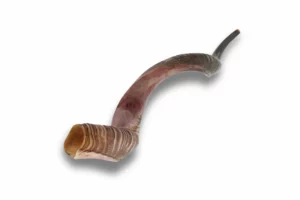 Rated 0 out of 5£79.00 – £499.00Price range: £79.00 through £499.00Add to Cart This product has multiple variants. The options may be chosen on the product page
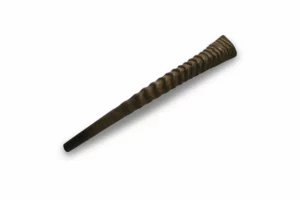 Rated 0 out of 5£80.00 – £120.00Price range: £80.00 through £120.00Add to Cart This product has multiple variants. The options may be chosen on the product page
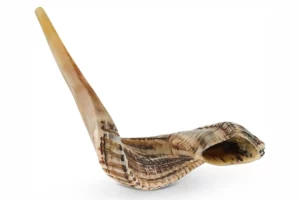 Rated 0 out of 5£20.00 – £120.00Price range: £20.00 through £120.00Add to Cart This product has multiple variants. The options may be chosen on the product page